Why paint a garage door, and what type of paint should you use?
Garage doors dominate the front of most homes. A faded, chipped, or dated door drags down the whole facade — while a fresh coat is the cheapest curb-appeal upgrade available. Painting is also a maintenance act: factory finishes fade and crack under UV, and repainting protects the steel panels from rust.
Paint selection for metal garage doors:
1. Acrylic enamel (aerosol): The best all-around choice. Durable, UV-resistant, fast-drying, easy to apply, and touch-up friendly. Ideal for the average steel garage door.
2. Epoxy paint: Maximum durability and chemical resistance, but more sensitive to application and slower to cure. Good for doors in extreme exposure (coastal, industrial) where extra hardness matters.
3. Exterior latex (brush/roller): Common for large doors, but for spray application and hard, even finish, acrylic enamel is the professional pick. Note: many 'steel-look' or textured finishes are also available if you want to change the door's style.
4. What NOT to use: Interior paints (no UV/weather resistance), general-purpose spray paint without exterior rating, and oil-based paints over incompatible primers without checking compatibility.
Key consideration: garage doors see thermal expansion, UV, moisture, and mechanical wear (kids, balls, bikes). Choose a coating system rated for exterior metal and cure it fully before hard use.
How do you prepare a metal garage door for spray painting?
Garage door prep determines the life of the finish. The process:
1. Clean the surface: Wash the door with a mild detergent/de-greaser to remove road film, dust, and grime. Pay special attention to the bottom panels — they collect the most dirt and salt. Rinse and let dry completely.
2. Remove rust: Inspect the bottom edge and panel joints for rust. Sand rust spots to bare metal, treat with rust converter, and prime. Rust at the bottom edge is common where moisture pools — fix it before painting or it returns through the paint.
3. Degloss: Sand the whole surface lightly (220-320 grit) or use liquid deglosser to remove the factory gloss. This creates the tooth the new paint needs. Do NOT skip this — glossy doors reject paint.
4. Mask aggressively: Garage doors have many details: windows (mask and paper them), hardware, hinges, handles, weather stripping, sensors, and the track. Remove hardware where possible. Cover the driveway and surrounding area — overspray is hard to remove from concrete.
5. Prime: Apply metal/etching primer to bare or rusted areas. For a full repaint of a previously painted door, a light primer coat over the deglossed surface improves adhesion and coverage. Let primer dry per instructions.
Prep note: garage doors are tall — you will work on a ladder or step stool. Plan safety: stable footing, no wet surfaces, and secure the door (disconnect the opener if you need it locked in one position).
What is the correct technique for spray painting a large garage door?
Spraying a large vertical surface with aerosol is doable but requires system:
1. Pick the right conditions: Work when it is dry, 60-80F (15-27C), low wind, and not in direct sun (hot panels cause dry spray and poor flow). Early morning or late afternoon shade is ideal.
2. Work in sections: Spray one panel at a time from top to bottom. Hold the can 20-25cm away, moving in steady horizontal passes with 50% overlap. Never stop mid-panel — start/stop at panel seams to hide overlap lines.
3. Thin coats: 2-3 thin coats, 10-15 minutes apart, rather than one heavy coat. Heavy coats on vertical surfaces run badly — garage doors are the most run-prone project there is.
4. Corners and edges: Spray the panel edges and seams first (light dusting), then fill the panel face. This prevents edge build-up and runs.
5. Windows and trim: If the door has windows, mask them first; if you want a different trim color, do the trim after the main panels dry.
6. Cure: Allow 24-48 hours before closing the door or touching the weather seal (paint on the seal is sticky and fails). Full hardness in 5-7 days. Do not operate the door until the paint is dry to avoid sticking the gasket.
7. Touch-ups: Keep a small amount of the paint for chips. Touch up chips early — bare steel on a garage door rusts fast in humid climates.
What about painting steel-look, wood, or specialty garage doors?
Garage doors come in more than plain steel:
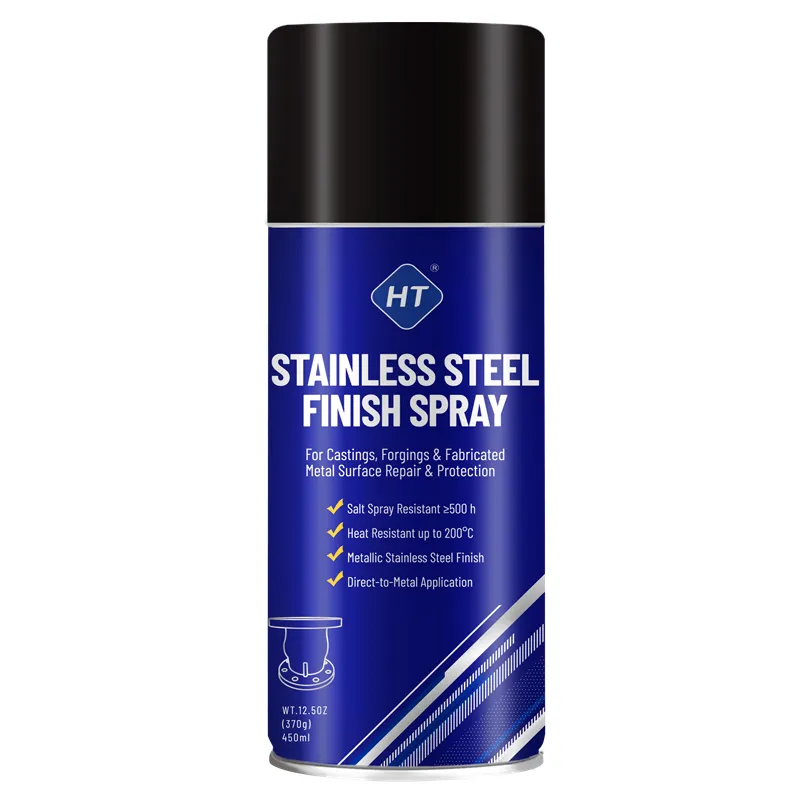
1. Steel-look / stainless finishes: To repaint a door that originally looked 'brushed steel', use a stainless-steel-look or hammered/textured finish spray. These hide minor surface imperfections and give the modern metal aesthetic without buying a new door.
2. Wood doors: Use exterior wood-compatible paint (or stain). Prep is different: sand, apply wood primer, and use paint formulated for wood. Aerosol exterior enamel works on smooth wood but wood grain and knots need proper priming first.
3. Textured / embossed doors: The raised pattern needs thinner coats and lighter passes to avoid filling the texture with paint. Spray at a slightly greater distance (25-30cm) and use multiple very light coats.
4. Fiberglass / composite doors: Lightly scuff (fiberglass is slick), use a primer for plastic/composite, then exterior enamel. Check the door manufacturer's warranty — some warranties are voided by painting.
5. Aluminum doors: Follow aluminum prep — degrease, scuff, and use self-etching primer. Aluminum oxide rejects paint without etching.
Rule: check the door material, then match prep and primer to it. The biggest DIY failure on garage doors is treating a non-steel door like steel.
What should B2B buyers know about the garage door painting market?
Garage door refinishing is a strong retail segment with a clear seasonal pattern:
1. Demand drivers: Spring/summer curb-appeal projects, real estate staging (a painted door sells homes), HOA compliance (homeowners must match neighborhood colors), and property managers refreshing rental units. Professional painters also offer door refinishing as a quick add-on service.
2. Seasonality: Peak in spring and early summer (project season), plus a pre-holiday bump in fall. Winter demand is low in cold climates — plan inventory accordingly.
3. SKU strategy: Stock exterior acrylic enamels in popular door colors (white, black, gray, taupe, and HOA-approved neutrals), plus metal primer, rust converter, and stainless-look/hammered finishes. A 'garage door kit' (paint + primer + rust converter + applicator) builds basket size.
4. Color matching: Garage doors must often match house trim or HOA palettes. Offer a color-match/custom-color service if you can — it is the top sales driver in this niche.
5. Compliance: Confirm exterior-rated UV/weather performance and VOC compliance (CARB, EU). Document the coating's salt-spray and UV resistance for coastal markets. Huotian's Home & DIY line includes exterior-grade acrylic enamels, steel-look finishes, primers, and rust treatment products — a complete garage door refinishing system.