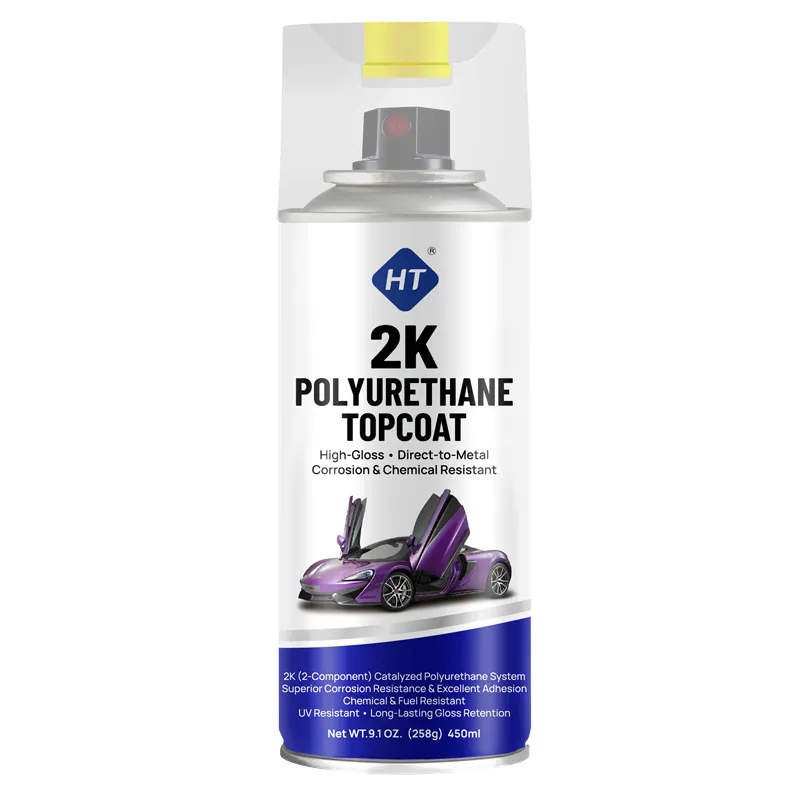
What is an adhesion promoter and how does it work?
An adhesion promoter is a thin, chemically active undercoat sprayed onto smooth surfaces before painting. Unlike primer, which builds thickness and fills imperfections, an adhesion promoter works at the molecular level — it contains chlorinated polyolefins (CPO) or other reactive resins that chemically bond with low-surface-energy plastics like polypropylene (PP), ABS, and TPO.
When you spray paint directly onto bare plastic, the paint sits on top with only mechanical grip. On smooth, non-porous plastics, that grip is almost zero. The adhesion promoter acts as a chemical bridge: one side bonds to the plastic substrate, the other side provides a surface the topcoat can grip.
When do you actually need an adhesion promoter?
You need an adhesion promoter when painting any of these substrates:
• Bare polypropylene (PP) — most automotive bumpers, trim, and interior panels • ABS plastic — electronics housings, toy components, appliance parts • TPO (Thermoplastic Olefin) — increasingly common in automotive exteriors • Silicone-coated or release-treated surfaces • Previously bare plastic that has been sanded but not primed
You do NOT need an adhesion promoter on: • Bare metal (primer is sufficient) • Previously painted surfaces that are still well-bonded • Wood or MDF (use wood primer instead) • Glass (use glass-specific primer)
The rule of thumb: if the surface is smooth, non-porous, and has low surface energy, you need an adhesion promoter.
What is the difference between adhesion promoter and primer?
The difference comes down to function:
Adhesion promoter: • Ultra-thin (typically 0.5-1 mil dry film thickness) • Chemically reactive — bonds at the molecular level • Does not fill scratches or imperfections • Dries in 5-10 minutes • Used specifically on plastics and difficult substrates
Primer: • Builds film thickness (typically 1-3 mils) • Provides mechanical adhesion through surface profile • Fills minor scratches and provides a uniform base • May contain corrosion inhibitors for metal substrates • Dries in 15-30 minutes
In many automotive refinish workflows, both are used: adhesion promoter first on bare plastic, then primer over it for build and leveling, then basecoat and clearcoat.
How do you apply an adhesion promoter correctly?
Surface preparation is 80% of the job. Follow these steps:
1. Wash the plastic part with warm water and mild detergent (dish soap works). Remove all oils, mold release agents, and wax.
2. Dry completely — any moisture trapped under the promoter will cause adhesion failure.
3. Scuff with 400-600 grit sandpaper or a Scotch-Brite pad. This creates micro-scratches for additional mechanical grip.
4. Wipe with isopropyl alcohol (IPA) or a wax-and-grease remover to remove sanding dust.
5. Apply adhesion promoter in thin, even passes — 1-2 coats at 6-8 inches distance.
6. Allow 5-10 minutes flash time between coats.
7. Apply topcoat within 1 hour of the final promoter coat (within the recoat window).
Key mistake to avoid: spraying the adhesion promoter too thick. A heavy coat will craze, crack, or even melt certain plastics — especially ABS and polystyrene.
What formulation types are available for different markets?
Adhesion promoters generally fall into three chemistry families:
Chlorinated Polyolefin (CPO): The most common type. Works on PP, TPO, and most automotive plastics. solvent-based versions offer the best chemical bond but have higher VOC. Water-based CPO options are available for markets with strict VOC regulations (California CARB, EU Decopaint Directive).
Chlorinated Rubber: Used for more aggressive adhesion on difficult substrates. Common in industrial maintenance coatings.
Polyurethane-based: Two-component PU adhesion promoters offer the highest performance but require mixing. Used in premium automotive refinish systems.
For B2B buyers, the choice depends on your target market's VOC regulations and the specific plastic substrates your customers are painting. A manufacturer like Huotian can formulate CPO adhesion promoters that meet both REACH (EU) and CARB (US) requirements in a single formulation.
How do MOQ and formulation customization work for adhesion promoters?
For B2B buyers looking to source adhesion promoters under private label:
• Standard CPO adhesion promoter MOQ: typically 3,000-5,000 cans • Custom formulation (different chemistry or VOC level): 10,000+ cans • Private label with custom branding: 5,000 cans minimum • Sample orders for testing: available at most manufacturers
Lead time for standard formulations: 2-3 weeks Lead time for custom VOC-compliant formulations: 6-8 weeks
When sourcing, always request the TDS (Technical Data Sheet) and MSDS. Verify that the solvent system matches your market regulations — a formulation that's compliant in Southeast Asia may fail EU REACH or California CARB limits.