Why is railcar coating a different service from trucks or plant equipment?
Four conditions set the service apart:
- Cars sit outside for decades between major overhauls, so UV and weather cycling drive the specification more than indoor exposure does.
- Abrasion is constant: load discharge scrapes hopper edges, ladders and roof walks carry traffic, and high-pressure car washes hit the body every cycle.
- Work happens inside dwell windows, so cure time decides product choice as much as durability does.
- Graffiti is stripped repeatedly with aggressive solvents and hot water; a finish that cannot survive that gets repainted by the operator again and again.
Schemes that work on truck fleets fail on railcars because they were never designed for decades of unsheltered service.
Which parts of a car should be coated, and which must stay inspectable?
The split matters, and the car owner or lessor decides it - not the paint shop:
- Body exterior: material drives the system. Steel car bodies and aluminum or stainless bodies need different preparation and different primer chemistry; assuming one system fits both is how adhesion problems start.
- Underframe, truck frames, couplers, and brake gear: these are mechanical components inspected for defects. Any coating applied there must not mask cracks, so owners specify what may be applied and where.
- Roof and roof walks: water sits in the corrugations and walk traffic wears the film, so this area needs the same attention as the sides.
- Tank and hopper interiors: linings are a separate discipline and must be compatible with the lading. Never repaint an interior without a documented compatibility decision.
- Identification: reporting marks, capacity stencils, and hazardous material placards must remain legible.
What breaks a railcar finish fastest?
The recurring failures, in order:
- Rust bleeding through a chalked film at welds, cut edges, ladder attachments, and stake pockets - the places where film is always thinnest.
- Water trapped in corrugations, under walkways, and at hatch edges, which starts the cycle from beneath the coating.
- UV chalking on roofs and upper sides, which removes the color coat gradually and leaves the primer exposed to weather.
- Graffiti removal that strips the color coat down to bare metal, after which steel flashes back with rust within days.
Two shop habits make it worse: coating over a fresh weld without proper preparation, and painting a contaminated or damp body because the schedule was tight. Neither failure is a resin problem; both are process problems that show up as a callback.
How should the shop work be sequenced?
A defensible sequence for a repair or repaint program:
1. Wash and degrease, then identify the material and the system already on the car - an unknown existing system is a compatibility risk that should be resolved before anything is applied.
2. Spot blast repair areas to the specified standard; rebuild shops go further with full preparation.
3. Apply the specified primer, with zinc-rich where the system calls for it on bare steel, and stripe coat edges, welds, and hardware.
4. Apply the color coat within the overcoat window, using fast-cure materials where dwell time is the constraint, and respect substrate temperature limits.
5. Restore stenciling and placards to the required format rather than by eye.
6. Record thickness readings, batch numbers, and photographs for the owner or lessor.
The record is what turns a repaint into a documented repair.
What has to be restored after a repaint?
Everything that carries information:
- Reporting marks (owner code and car number) plus capacity stencils for load limit and light weight, re-applied to the specified format rather than by eye.
- Hazardous material placards and orientation labels: a safety function, never coated over or left obscured during work.
- Facility-side markings that interact with the car: shop and terminal aisle lines, and equipment identification, so yard and fleet stay visually consistent.
A repaint that loses its stencils creates an operational problem at a terminal days later - not a paint defect.
What should a buyer specify and stock?
The items that decide whether a program runs cleanly:
- System by substrate: separate the steel-car and aluminum-car requirements rather than buying one product for both.
- Weathering and chalk resistance rated for decades of open storage, plus tolerance to graffiti-removal solvents and hot pressure washing.
- Return-to-service time stated up front, because dwell time sets the cure window in practice.
- Stripe coat and edge requirements written into the scope, since edges are where callbacks start.
- One qualified color family held as a consistent batch series, so a touch-up does not create a second shade across the fleet.
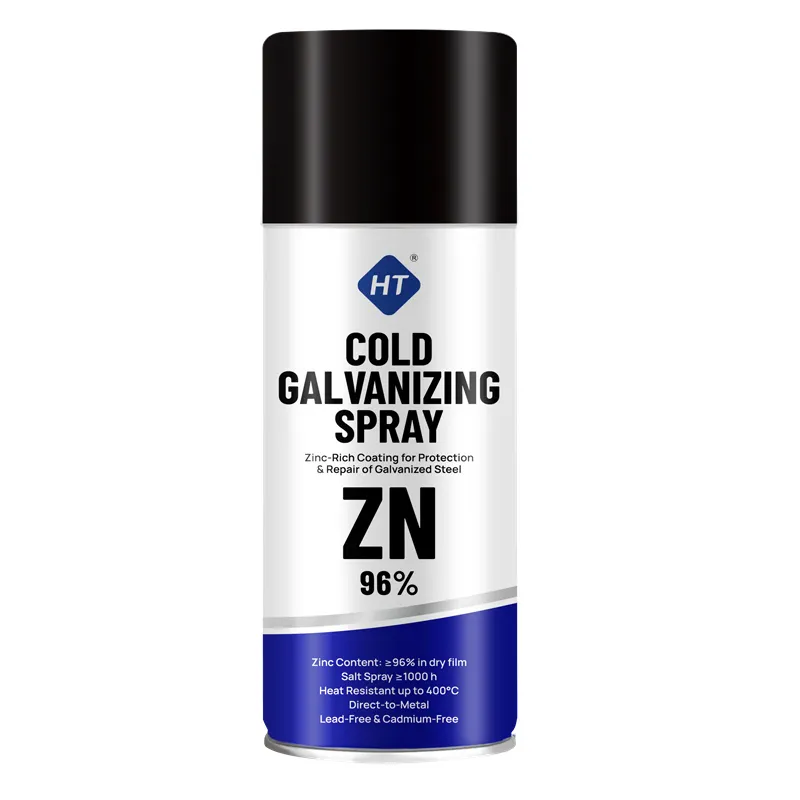
Consumables that cover most spot work: HT-017 zinc-rich for bare steel and marks, HT-031 epoxy primer, HT-027 topcoat, and HT-012 line marking for shop and terminal lines. Rail programs reward suppliers who can keep color consistent car after car - that consistency is what a fleet owner notices first.