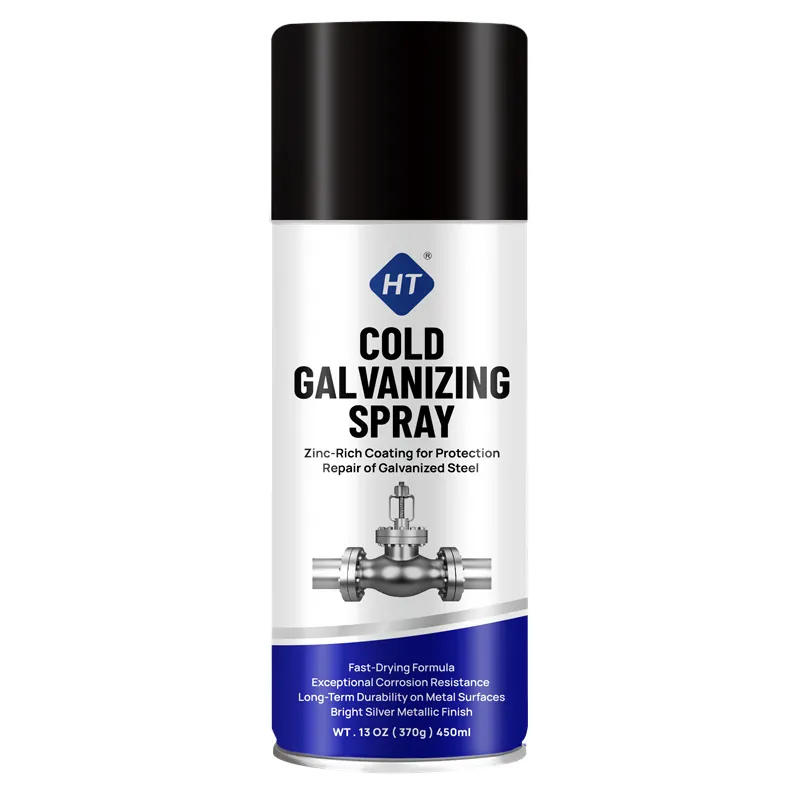
What is the typical spray paint coverage per can?
Industry-standard coverage for a standard 400ml (13.6 oz) aerosol can of spray paint is approximately 8-12 square feet (0.75-1.1 m²) per can at proper application. A few benchmarks:
1. Standard 400ml can: 8-12 sq ft (0.75-1.1 m²) of painted surface with 2-3 thin coats. The 'coverage' figure is typically for a single coat — a project needing 2-3 coats uses 2-3x the cans.
2. Small 150ml cans (touch-up size): 2-4 sq ft per can.
3. Large 500ml+ cans: 10-15 sq ft per can.
4. Coverage is stated per coat: manufacturers quote 'theoretical coverage' for one coat on smooth, properly prepared substrate. Real-world coverage is usually 60-80% of theoretical because of overspray, texture, and waste.
The formula buyers should remember: Total area (sq ft) × number of coats ÷ (coverage per can × efficiency factor ~0.7) = cans needed.
Example: 100 sq ft project, 2 coats = 200 sq ft of paint. At 10 sq ft/can × 0.7 efficiency = 7 sq ft usable per can. 200 ÷ 7 = ~29 cans.
What variables change how much area a can covers?
Coverage is not a fixed number — these variables change it significantly:
1. Surface porosity: Porous surfaces (bare wood, raw concrete, unsealed drywall) absorb paint and need more coats. Sealed/smooth surfaces (metal, glass, primed surfaces) cover best. Bare wood can use 2x the paint of primed metal.
2. Surface texture: Rough, textured, or corroded surfaces have more surface area than flat ones. Stucco, textured ceilings, and rusted metal eat paint.
3. Color change: Covering a dark color with a light color (or vice versa) needs more coats. White over black may take 4-5 coats; same-color touch-up takes 1-2. This is the biggest real-world coverage variable.
4. Application technique: Overspray is lost paint. Wind, spraying too far away, or heavy coats waste material. Proper technique (20-25cm distance, steady passes, thin coats) maximizes coverage.
5. Paint solids and opacity: Higher-solids paints cover better per volume. Cheap paints with low solids need more coats. The can's opacity rating (covering power) matters.
6. Temperature: Cold paint sprays thicker and wastes material; hot weather causes dry spray. Optimal 60-80F gives the best transfer efficiency.
7. Nozzle/pattern: A wide fan pattern covers more per pass but increases overspray on small parts; a narrow pattern is more precise. Match the nozzle to the project.
Rule: quote a range, not a number. '8-12 sq ft per can' becomes 'plan for 1 can per 8 sq ft per coat on smooth surfaces, more on porous/rough surfaces'.
How do you calculate how many cans you need for a project?
A practical 4-step calculation:
1. Measure the total area: Length × height for each surface, add them together. For a car panel: width × length. For a door: width × height × 2 sides if painting both. Subtract windows/openings.
2. Decide the number of coats: Primer + 2-3 color coats + optional clear. Count every coat — each one consumes paint.
3. Factor efficiency: Multiply your measured area by 1.3-1.5 to account for overspray and waste (the '1.4 rule' is a common professional factor). For intricate parts (bike frames, grilles), use 1.5-2.0.
4. Divide and round up: Cans = (Total area × coats × waste factor) ÷ (coverage per can) Round UP to whole cans — running out mid-project is worse than having one can left over.
Example — painting a standard single garage door (16 ft × 7 ft = 112 sq ft):
- 2 color coats + 1 primer coat = 3 coats → 336 sq ft of paint
- × 1.4 waste factor = 470 sq ft
- ÷ 10 sq ft per can = 47 cans... which is too many for a garage door. This shows why most DIY users DON'T spray large flat surfaces with aerosol: for a 112 sq ft flat surface, brush/roller or professional spray equipment is far more efficient. Aerosol shines on small parts, touch-ups, and complex shapes.
B2B note: this is why coverage education matters — customers who calculate honestly buy the right quantity, complete the job, and stay satisfied.
How does the product type change coverage expectations?
Different product categories have very different coverage profiles:
1. Primer: Often covers less per can (thicker film builds) but is critical — primers are usually quoted at 8-10 sq ft per can.
2. Clearcoat: Similar to color, 8-12 sq ft per can, but often applied as a single protective coat.
3. High-temperature paint: Lower coverage (6-10 sq ft) because of heavier film build requirements — high-temp coatings are applied thicker for protection.
4. Specialty coatings (rubberized, stone texture, peelable): Much lower coverage (3-6 sq ft) — these build thick films. A rubber coating can need 3-4 heavy coats and covers far less area than a thin enamel.
5. Metallic/glitter finishes: Often need an extra coat to look even, effectively reducing usable coverage.
6. Fabric/textile sprays: Coverage depends on absorption — woven fabric drinks paint; 4-6 sq ft per can is a realistic estimate.
Rule: check each product's technical datasheet for coverage figures, and remember the product type changes the practical coverage by 2-3x.
What should B2B buyers know about coverage claims and selling?
Coverage is a trust and satisfaction issue in the aerosol business:
1. Know your real numbers: Get actual coverage data (sq ft per can per coat) for each SKU from your supplier — not just the theoretical label claim. Test in-house if possible. Customers remember when a can runs out early.
2. Educate on coats: The biggest complaint ('the can did not cover') usually comes from a user who expected one coat to cover a dark surface. State 'coverage per coat' clearly on packaging and marketing.
3. Provide a calculator: An online coverage calculator (area × coats × waste ÷ per-can coverage) reduces under-buying, returns, and frustration. It is also a lead-capture opportunity.
4. Honest claims: Coverage claims are regulated in some markets (labelling rules). Use verified figures, not inflated ones.
5. Bundle for projects: Offer project kits sized to common jobs (a car panel kit, a door kit, a wheel kit) so customers buy the right number of cans at once.
6. Supplier transparency: Ask your OEM for coverage data per product and formulation. Huotian provides per-SKU coverage guidance and application documentation so distributors can quote accurately and customers finish projects with the right quantity.