Is spray paint toxic, and what makes it potentially harmful?
Spray paint is not 'poisonous' in the acute sense for normal use, but it contains chemicals that can be harmful with overexposure. The three main hazard categories:
1. Solvents (VOCs — volatile organic compounds): The carrier that dissolves the resin. Common solvents in spray paint include toluene, xylene, acetone, and aliphatic hydrocarbons. Inhaling high concentrations causes dizziness, headaches, nausea, and respiratory irritation. Chronic overexposure to aromatic solvents (toluene, xylene) is associated with neurological effects and organ damage.
2. Propellants: Most aerosol paints use LPG (propane/butane) or DME as propellant. These are asphyxiants in high concentration (displace oxygen) and flammable. They dissipate quickly in ventilated areas.
3. Pigments and additives: Most modern paints use safe pigments (carbon black, titanium dioxide, iron oxides). However, some older or industrial formulations may contain heavy metals (lead, chromium) — regulated or banned in most markets. Always source compliant products.
Isocyanates deserve special mention: two-component (2K) urethane paints contain isocyanates, which are potent sensitizers — repeated exposure can cause asthma and severe allergic reactions. 2K products require serious respiratory protection (supplied-air or cartridge respirator rated for isocyanates), not just a dust mask.
The practical answer: single-component aerosol spray paint is safe for occasional hobby use with basic precautions (ventilation, mask). Professional and daily use — and any 2K product — requires proper ventilation and respiratory protection.
What are the real risks of inhaling spray paint fumes?
Risk depends on dose and duration. Three exposure levels:
1. Occasional hobby use (a few cans a year, ventilated area): Risk is minimal with basic precautions. Use outdoors or with good cross-ventilation, take breaks, and allow solvent to dissipate.
2. Regular use (weekly, indoor without ventilation): Real risk of respiratory irritation, headaches, and solvent accumulation. This is the danger zone — many amateurs paint in garages with the door closed. Always ventilate: open doors/windows, use a fan exhausting outdoors, or work outside.
3. Professional/daily use (shops, production): Must use engineering controls — spray booths with exhaust, appropriate respirators (NIOSH-approved organic vapor cartridges, or supplied-air for 2K), and air monitoring. Occupational exposure limits (e.g., OSHA PELs, EU OELs) govern solvent concentrations in the workplace.
Short-term (acute) symptoms of overexposure: dizziness, lightheadedness, headache, nausea, eye/throat irritation, drowsiness. If these occur, stop, get fresh air immediately, and seek medical advice if symptoms persist.
Long-term (chronic) risks: primarily from repeated aromatic solvent exposure — neurological effects (memory, coordination), respiratory damage, and, in extreme occupational cases, liver/kidney effects. These are workplace-exposure risks, not hobby risks, when handled responsibly.
How do VOC regulations affect spray paint safety and sourcing?
VOC regulations control the amount of smog-forming solvents in paint. Key regulations:
- CARB (California): Among the strictest aerosol VOC limits in the world. Consumer aerosols have specific VOC limits by category (e.g., paints and coatings limits). Products sold in California must meet CARB limits.
- EU VOC Directive (2004/42/EC): Limits VOCs in paints and coatings sold in the EU. Aerosol paints fall under specific categories with defined limits.
- EPA/OTC (US states outside California): Various states follow federal OTC model rules with aerosol VOC limits.
- REACH (EU): Restricts specific hazardous chemicals (e.g., toluene concentration limits, CMR substances) in products sold in the EU.
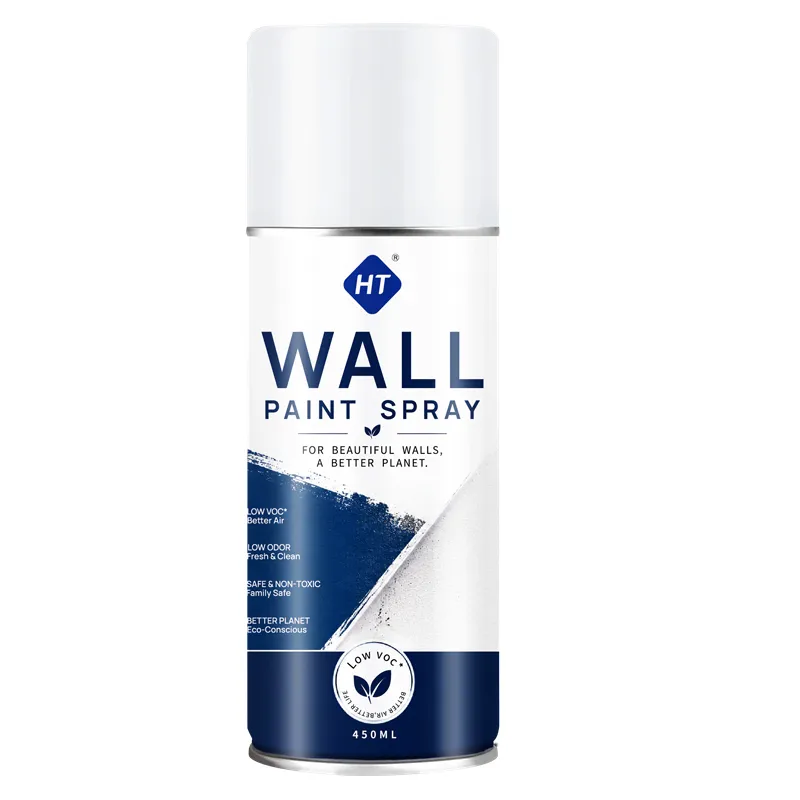
What this means for buyers: a product can be perfectly safe to use but illegal to sell in a specific market if it exceeds VOC limits. Sourcing compliant product requires the manufacturer to document VOC compliance for each target market. Low-VOC formulations reduce solvent exposure too — safer for users and compliant with stricter markets. Note: 'low VOC' does not mean 'no solvent' — ventilation and respiratory protection are still required.
Huotian's aerosol line is formulated to meet the VOC limits of major target markets (EU, US), with documentation available on request.
What safety practices should every spray paint user follow?
A practical safety protocol:
1. Ventilate: Work outdoors or with strong cross-ventilation. Indoor garages need an exhaust fan venting outside. Never spray in an enclosed space without ventilation.
2. Breathe protection: Use a NIOSH-approved respirator with organic vapor cartridges (N95/P100 masks do NOT stop solvent vapors — they filter particles only). For 2K urethane products, use cartridges rated for isocyanates or supplied-air.
3. Skin and eye protection: Wear nitrile gloves and safety glasses. Solvents dry skin and can be absorbed through it.
4. Read the SDS: The Safety Data Sheet lists hazards, exposure limits, PPE, and first aid. Every product ships with one — read it before use.
5. Keep away from ignition: Aerosol propellants are flammable. No smoking, no open flames, no pilot lights near spraying or drying areas.
6. Store safely: Below 50 deg C (122 deg F), away from heat sources, upright, out of reach of children. Never puncture or incinerate cans.
7. Allow cure: Solvents continue evaporating during drying. Ventilate the area during the entire drying period, not just while spraying.